



What to Do If You Put the Wrong Fuel in Your Car in York

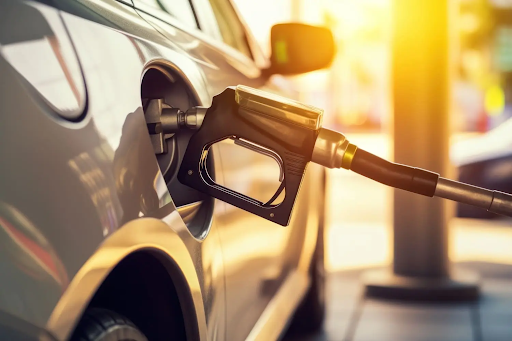
Standing at a petrol station pump and realizing you have just filled your tank with the incorrect fuel is a stomach-dropping moment. The realization usually hits the second you hear the click of the nozzle or glance at the receipt. If this has happened to you, the first thing you need to know is that you are not alone. Thousands of drivers across the UK make this error every year. It is a simple lapse in concentration that can happen to anyone, from new drivers to seasoned professionals.
The good news is that misfuelling does not have to spell disaster for your vehicle. With the right reaction and professional help, your car can be back on the road in no time. If you are currently standing on a forecourt searching for wrong fuel York assistance, take a deep breath. This guide will walk you through exactly what to do, the risks involved, and how to secure professional help immediately.
Understanding Misfuelling: A Common and Fixable Mistake
Misfuelling occurs when you put petrol into a diesel engine or diesel into a petrol engine. While it feels like a monumental error in the moment, it is actually one of the most common motoring mishaps in the country.
The most frequent scenario involves putting petrol into a diesel car. This happens easily because petrol pump nozzles are narrower than diesel ones, meaning they fit physically into the filler neck of most modern diesel vehicles. Conversely, putting diesel into a petrol car is less common because diesel nozzles are typically too wide to fit into a petrol filler neck, though it still happens with forced entry or older pumps.
Why does this happen? Usually, it is a result of distraction. Perhaps you are in a rush, managing children in the back seat, or driving an unfamiliar car like a rental or a partner’s vehicle. Regardless of the reason, the mechanical reality remains the same: your engine is now housing a fluid it cannot effectively combust or lubricate with effectively. Understanding this is key to realizing why you must act quickly.
Immediate Steps: What to Do When You Have Wrong Fuel in York
If you have just misfuelled, your actions in the next few minutes are critical. The difference between a simple drain-and-go job and a complete engine replacement often comes down to whether or not you turn the ignition key.
1. Do Not Start the Engine
This is the single most important rule. Do not start the engine. Do not even put the key in the ignition or press the “Start” button to turn on the dashboard lights (auxiliary mode).
In modern vehicles, turning the ignition to the “on” position—even without the engine running—engages the electric fuel pump. This primes the system, sending the contaminated fuel from the tank into the fuel lines, the fuel filter, and potentially the high-pressure fuel pump and injectors. If the contaminated fuel stays in the tank, the fix is relatively cheap and simple. Once it circulates through the engine, the potential for damage increases exponentially.
2. Move to a Safe Location (If Possible)
If you are still at the pump and haven’t started the engine, tell the station attendant immediately. If you need to move the car to clear the pump, ask for help to push it. Put the car in neutral (or utilize the shift-lock release for automatics if you know how) and push it to a parking bay. Do not rely on the engine to move the vehicle even a few feet.
If you have already driven away and the car has started coughing or stalled, your priority shifts to safety. Turn on your hazard lights, steer to the side of the road or a hard shoulder, and exit the vehicle safely.
3. Call a Professional for 24/7 Wrong Fuel Assistance
Do not call a standard tow truck immediately unless they specialize in fuel removal. Towing can be expensive and unnecessary if a mobile technician can fix the issue on-site. Instead, look for specialists offering 24/7 wrong fuel assistance. These experts utilize mobile drainage units that can come directly to your location, whether you are in York city center, Acomb, Clifton, or stranded on the A64.
The Detailed 4-Step Fuel Removal Process
You might be wondering what happens once help arrives. Many drivers fear their car will need to be dismantled or that they will be without a vehicle for days. Fortunately, specialist fuel drainage services are designed to be fast, efficient, and non-intrusive.
Here is what you can expect from a certified technician:
Step 1: Safety Assessment and Setup
Upon arrival, the technician will secure the area. Dealing with highly flammable liquids like petrol requires strict adherence to safety protocols. They will ground the vehicle to prevent static electricity sparks and set up distinct safety zones using cones to keep pedestrians and other traffic away from the work area.
Step 2: Draining the Contaminated Fuel
The technician will access your fuel tank. In most cases, this is done through the fuel filler neck using specialized suction equipment. If the vehicle has an anti-siphon device, they may need to access the tank via the back seat (under the fuel pump cover) or through the engine bay. They will pump the mixed fuel out of your tank into approved ATEX-certified storage containers on their van.
Step 3: Flushing the System
If you did not start the engine, a tank drain is usually sufficient. However, if you started the car or primed the ignition, the technician will need to flush the fuel lines. They will disconnect the fuel lines at the engine end and use fresh fuel to push the contaminated liquid out of the lines and rail. This ensures that when you start the car again, only pure fuel reaches the injectors.
Step 4: Replenishment and Testing
Once the bad fuel is removed, the system needs to be primed with the correct fuel. The technician will typically add enough fresh fuel (usually 5–10 liters) to get you to the nearest petrol station. They will then bleed the air from the system and start the engine. They will run diagnostics to ensure the engine is firing correctly, checking for smooth idling and throttle response before sending you on your way.
Risks of Driving with Contaminated Fuel and DIY Dangers
It can be tempting to try and “burn off” the wrong fuel or fix it yourself, especially if you only put in a small amount. However, the mechanical risks are severe.
The Danger of Petrol in a Diesel Engine
This is the most damaging scenario. Diesel acts as a lubricant for the high-pressure fuel pump. Petrol acts as a solvent. When you run petrol through a diesel system, it strips away the lubrication. This causes metal-on-metal friction inside the fuel pump.
As the pump grinds itself down, it creates microscopic metal shavings (swarf) that are sent through the fuel injectors. This “swarf” can destroy the entire high-pressure system, necessitating the replacement of the pump, injectors, rail, and lines—a repair bill that can easily run into the thousands.
The Danger of Diesel in a Petrol Engine
Diesel doesn’t evaporate as easily as petrol. While less catastrophic, it can foul spark plugs and damage the catalytic converter and emission control sensors.
While some vehicles are engineered for multiple fuels—such as the Tata Intra V20 CNG Bi-Fuel, which is designed to handle both Petrol and CNG—standard engines lack this flexibility and will fail if the wrong liquid is introduced.
Why You Should Avoid DIY Solutions
Never attempt to siphon fuel yourself using a garden hose or mouth suction. Modern cars have anti-siphon devices in the filler neck that prevent tubes from entering the tank. Attempting to force a tube past this can break the device, causing debris to fall into the tank. Furthermore, disposing of contaminated fuel is a legal and environmental minefield. Professional mobile fuel drain York providers carry a Waste carrier license and dispose of the hazardous mixture at regulated recycling centers.
Guidance on Choosing a Certified York Service Provider
When you are stranded, panic can lead to poor decision-making. You might click the first number you see on Google. However, not all roadside assistance is created equal. To ensure your car warranty remains intact and the job is done safely, follow these criteria when selecting a wrong fuel York service provider.
Check for Certification
Ensure the technician holds an SPA Passport (Safety Pass Alliance) for petrol retail. This certifies they are trained to work safely on petrol station forecourts. Additionally, look for ISO 9001 accreditation and PAS 43 certification, which are industry standards for safe roadside recovery operations.
Verify Mobile Capabilities
You want a company that specializes in mobile fuel drain York services. Some general towing companies may just tow you to a garage where you will have to wait days for a mechanic to look at it. A dedicated fuel drain specialist comes to you and fixes the car on the spot, usually within an hour.
Read Reviews Specific to York
Search for “petrol in diesel car York” reviews. A local provider will know the area, leading to faster response times. They will be familiar with the busy junctions like the A1237 or the narrow streets within the city walls, ensuring they can reach you efficiently.
Transparency on Pricing
Reputable companies offer a clear pricing structure. While costs vary based on the amount of fuel and whether the car was started, they should be able to give you a solid estimate over the phone. Be wary of providers who refuse to discuss price until they have already started working.
Frequently Asked Questions About Misfuelling
1. What happens if I put petrol in a diesel car and drive it?
If you drive a diesel car with petrol in it, you will likely experience a loss of power, the engine warning light will illuminate, and the engine will start to make a loud knocking or clattering sound. Eventually, the vehicle will stall and fail to restart. If you notice these symptoms, pull over immediately to save your engine from catastrophic damage.
2. Can I get away with a small amount of wrong fuel?
There is a common myth that you can top up the rest of the tank with the correct fuel if you’ve only added a few liters of the wrong one. Manufacturers generally advise against this. Even a 5% contamination ratio can reduce the lubricity of diesel fuel enough to damage modern high-tolerance fuel pumps. It is always safer to drain the tank completely.
3. Will my insurance cover misfuelling?
This depends entirely on your specific policy. Many standard breakdown cover policies do not cover misfuelling and will charge an extra fee for the service. Comprehensive car insurance policies might cover the damage, but claiming for a fuel drain might not be worth the excess fee and the loss of your No Claims Bonus. Dedicated fuel drain services are often cheaper than the insurance excess.
4. How long does a fuel drain take?
Once the technician arrives, the actual process of draining the tank and flushing the lines typically takes between 20 to 45 minutes, depending on the vehicle and how much fuel needs to be removed.
5. Does misfuelling void my warranty?
If you start the engine and damage occurs, manufacturers may void the warranty for the fuel system components. However, if you have the fuel professionally drained before circulating it, most warranties remain unaffected because the engine has not been exposed to the incorrect fluid. Always keep the receipt from the fuel drain service as proof of professional remediation.
Conclusion
Putting the wrong fuel in your car is a stressful experience, but it is a problem with a straightforward solution. The most vital takeaway is to remain calm and keep the ignition turned off. By acting quickly and calling a professional, you can prevent damage to your engine and save yourself a significant amount of money in repairs.
Whether you are a local resident or visiting our historic city, help is always nearby. By choosing a certified, experienced provider for wrong fuel York, you ensure that this minor hiccup remains just a story to tell later, rather than a mechanical disaster. Keep the number of a reputable fuel drain specialist in your phone—hopefully, you will never need it, but you will be relieved to have it if you do.