








Why New Shoes Hurt Your Feet and How to Fix It

New shoes often look perfect and feel exciting to wear, but that first day can be painful. Many people expect comfort right away, yet most shoes need a small break in period before they start feeling right. The good news is that this discomfort is normal and easy to fix with a few simple steps.
Why New Shoes Feel Tight
Most shoes are made from materials that need time to adjust to the shape of your feet. Leather, canvas, and synthetic blends may feel stiff at first. They slowly soften as your feet warm them up. This is why the first few wears feel tight or firm, especially around the toe box and sides.
Some shoes also have thicker structure for support. While this is great for stability, it can feel heavy and rigid during the first few uses.
Pressure Points That Cause Pain
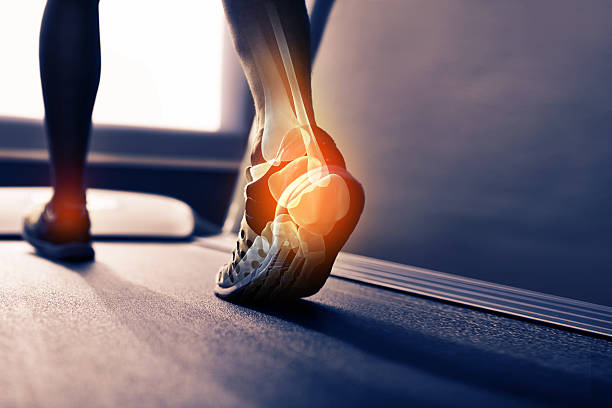
Your feet have natural curves. When new shoes do not match these curves perfectly, certain areas take more pressure. Common pressure points include the back of the heel, the outer sides, and the front of the toes. This pressure leads to rubbing, redness, and sometimes small blisters.
Small size differences also matter. Even half a size too small can cause discomfort. Shoes that are slightly too big may cause friction as well.
How to Break In New Shoes Safely
Breaking in shoes is simple if you take your time and follow a few practical steps.
Start with short wear sessions
Wear your new shoes for one or two hours at a time. This gives the material time to soften without hurting your feet.
Use thick socks
Thick socks add a small layer of protection and help loosen the shoe material gently.
Try warm wear
Wearing the shoes indoors while walking normally helps the material relax and mold to your feet.
Bend and flex the shoes
Softly bending the shoes with your hands can help reduce stiffness. Do this slowly to avoid damaging the structure.
Consider Stretching for Better Comfort
Sometimes the shoes are just a little too tight, especially around the sides or toes. Stretching them can bring quick relief. It is a safe method when done correctly and works well for leather and other soft materials.
If you want to explore simple home methods, here is a helpful guide that explains different ways to stretch your shoes naturally.
This resource walks you through safe steps for stretching without harming the material.
When to Stop Wearing the Shoes
If your feet feel numb, extremely sore, or show deep red marks, stop wearing the shoes for a few days. This is a sign that the fit is not right or the break in process is moving too fast. Give your feet time to rest.
If the shoes still feel painful after several short wears, they might not be the right fit. Proper comfort should come soon after the break in period.
Tips to Reduce Pain During Break In
You can use a few extra tricks to ease the pain during your first wears.
Heel grips
These help reduce rubbing at the back of the heel.
Gel pads
These protect your toes and cushion sensitive areas.
Foot powder
This keeps your feet dry and reduces friction.
Moisturizing the shoe interior
Soft leather responds well to gentle conditioning products, which help it relax.
When to Seek a Different Size
Not every discomfort comes from stiffness. Sometimes the shoe is simply not the right size. If your toes hit the front, your heel lifts too much, or your foot slides sideways, the size may be off. Getting a proper fitting is always helpful.
Final Thoughts
New shoes almost always feel a little tight at first. With patience, gentle break in steps, and the right comfort tools, you can enjoy a perfect fit. Small changes like thick socks, slow wear sessions, and soft stretching methods make a big difference. If the pain continues, it may be a sign to try a different size or design.