






How Many Tablespoons Are in a Cup?

Ever been cooking, covered in flour, and knee-deep into a recipe when you realize you don’t have any clean cups to measure with? You read that you need half a cup of sugar, but all you have is a tablespoon. To solve this common kitchen question, there are sixteen tablespoons in one cup. This handy little conversion will save you time, relieve pressure, and assure pitch-best pancakes every time.
The brief and simple reaction to how many tablespoons in a cup is: 1 cup equals sixteen tablespoons. This fundamental dimension is critical to American cookery and baking. Understanding this conversion, alongside a handful of others, can change your experience inside the kitchen from one of wild guesswork to one based on precision and confidence. This guide will show you all you need to know about this most essential of kitchen math, including practical tips and context to help put measuring in its place.
The Basic Kitchen Conversion: Tablespoons to Cups
The conversion is straightforward at its heart. For a normal cup inside the U.S., it’s exactly sixteen tablespoons. So if a recipe requires one full cup of a liquid or dry ingredient, you may scoop and do away with that sixteen times with a tablespoon.
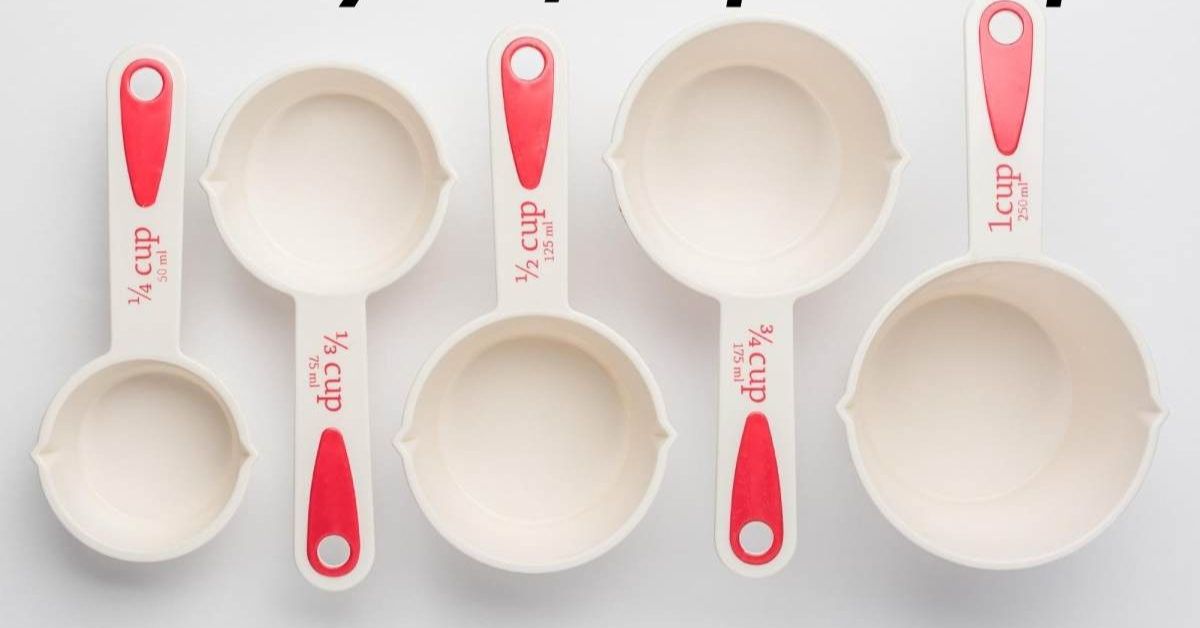
It becomes even more convenient once you start measuring fractions of cups. You could avoid eyeballing it and measuring approximately half a cup with your unmarked receptacle in favor of a perfect tablespoon measurement. For instance, 8 tablespoons equals 1/2 a cup. One region of a cup is 4 tablespoons. So you could multiply your recipe by 2 or divide it by 1/2 and get just the right amount of ingredients, even in case you don’t have the proper length cup to degree with. But if you may dedicate some of those keys to reminiscence, they’ll make you a greater flexible and innovative cook.
Why Do These Measurements Matter?
Precision is the name of the game for consistent cooking, particularly baking. Baking is a technology because it depends on positive chemical reactions between ingredients. Because an excessive amount of or too little flour, sugar, or a leavening agent, like baking soda, can absolutely change the texture, taste, and look of your completed proper. If you use an excessive amount of flour, your cookies would possibly turn out dry and dry; no longer sufficient sugar, and the cake is bland and dense.
Measuring a tablespoon of flour while a cup is targeted may appear bulky; however, it ensures that you are including the right amount of each factor. This exactness is what distinguishes a first-rate baker from a remarkable one. When you prepare dinner from a recipe, you’re using a method that someone has examined and honed. Following that, simple components with particular measurements guarantee you can mimic their design for your personal kitchen.
Navigating Different Types of Tablespoons
Of course, as usual, no longer are all spoons equal. When a recipe calls for a tablespoon, it refers to a popular measuring tablespoon, no longer the spoons you eat soup or cereal with. A U.S. Tablespoon is a measure of volume and holds exactly 1/sixteenth of a U.S. Cup, or 8 U.S. Fluid oz., half U.S. Fl ounces (14.79 ml). Just as no longer are all spoons created identical, neither are those in your silverware drawer (a ok a. okay. A dinner or soup spoons), which can vary wildly in length and accuracy.
Different spoons mean wildly special measurements. Always use a chosen set of measuring spoons to maintain accuracy. These are intended for dispensing equal and accurate portions without any guesswork involved. Purchasing a good set of measuring spoons and cups is one of the easiest ways you can improve your cooking and baking.
Dry vs. Liquid Ingredients: Does It Make a Difference?
If you are converting tablespoons to cups and culinary maths isn’t your strong suit, you may be wondering whether it makes a difference if the ingredient is in its dry or liquid form. For volume, the factor of conversion is identical. Sixteen tablespoons of water make one cup, like sixteen tablespoons of flour do. But the way you measure those components may additionally range.
For fluid substances such as water, milk, or oil, you simply fill the tablespoon right to the top. Pulling this off can be made easier and less messy with a set of measuring spoons meant for liquids, many of which come equipped with a pour spout.
For dry ingredients like flour, sugar, or cocoa powder, the usual method calls for “scoop and level.” You do want to scoop into the tablespoon until it is heaping, and then level off with a straight edge of some sort — I use the back of a knife. This method prevents you from compacting any of the ingredients into the spoon as you would if using a full-on thumb scoop and stack. For flour in particular, many experts advise spooning it into the tablespoon, rather than scooping as much as possible from the bag, so that it does not become compacted.
Beyond the Basics: Other Useful Conversions
Yes, knowing that 16 tablespoons are in a cup is the headliner, but some other related conversions can help you finesse up your kitchen game even further. 1 tablespoon comprises 3 teaspoons. This is another set of kitchen math. So, next time you are out of a tablespoon — no problem! You can use a teaspoon three times.
This also approach that one cup is equivalent to forty-eight teaspoons (16 tablespoons x 3 teaspoons). That seems like a whole lot of elements, but it’s accessible to recognize for recipes that depend upon a whole lot smaller amounts of powerful ingredients (extracts or spices, say). If you do recognize those relationships among teaspoons and tablespoons and cups, then you have a full machine for measuring almost any detail with whatever utensils are at your disposal.
Putting It All Together: A Practical Summary
The details of kitchen conversions can feel like mastering a second language, but it is something that pays off with every dish. The trick is to hit the most significant one right off: there are 16 tablespoons in 1 U.S. cup. From there, you can think your way to the measurements of fractions of a cup.
Make sure to take correct measurements and use the right measuring methods and equipment. When running with moist and dry sand, the correct gear and a piece of knowledge can go a long way. And by means of studying these fundamental ideas, you permit yourself to prepare dinner with greater precision, imagination, and confidence. You won’t want to rely upon having the best set of measuring cups for each recipe. Instead, you will have the way to improvise and flourish, anything your kitchen sends your way.