







What Are Deepfakes? Understanding Deepfake Technology, Use Cases, Compliance, Challenges, and Benefits

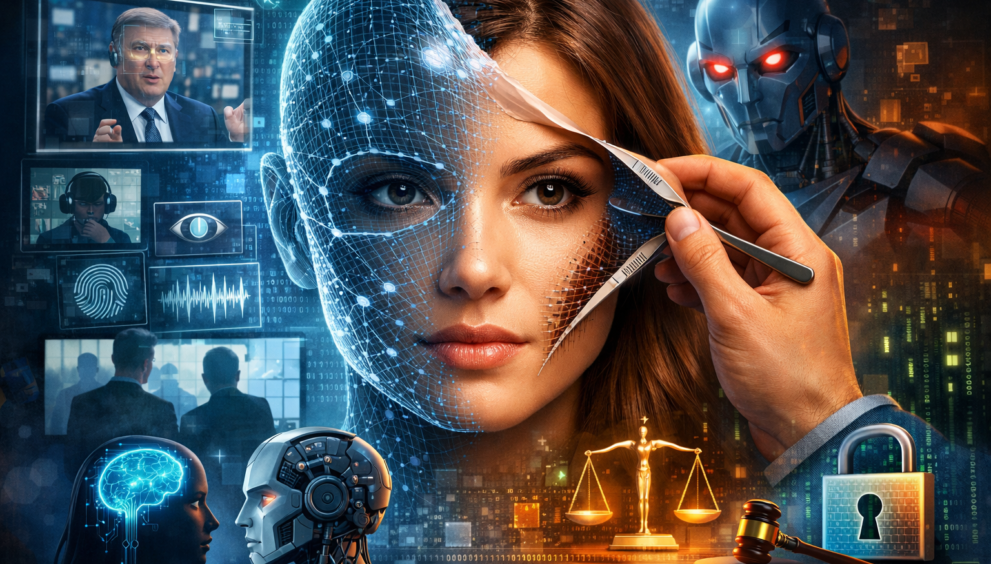
In today’s rapidly evolving digital landscape, many people are asking: what are deepfakes? Deepfakes are AI-generated synthetic media that use advanced deep learning algorithms to create realistic but fabricated images, videos, or audio recordings of individuals. The term “deepfake” combines “deep learning” and “fake,” referring to artificial intelligence systems that can convincingly manipulate or generate content to make it appear as though someone said or did something they never actually did. Deepfakes can involve face-swapped videos, AI-generated voice cloning, altered facial expressions, and even entirely synthetic human avatars. As artificial intelligence continues to advance, deepfakes are becoming more realistic and more accessible, increasing both their potential benefits and associated risks.
How Deepfakes Work
To understand what are deepfakes in technical terms, it is important to look at how the technology works. Deepfakes are typically created using technologies such as Generative Adversarial Networks (GANs), autoencoders, facial recognition systems, and voice synthesis models. In GAN-based systems, two neural networks work together: one generates synthetic content, while the other evaluates its authenticity. Through repeated training cycles using large datasets of images, videos, or voice samples, the AI model learns to replicate facial movements, speech patterns, tone variations, lighting adjustments, and even subtle human expressions. The more data the system has, the more convincing the deepfake becomes, making detection increasingly difficult.
Use Cases of Deepfakes
Although deepfakes are often associated with misinformation and online manipulation, they also have legitimate and beneficial applications across various industries. In the film and entertainment industry, deepfake technology is used to de-age actors, recreate historical figures, enhance CGI effects, and complete unfinished scenes without reshooting expensive footage. In marketing and advertising, companies use AI-generated avatars to create personalized video campaigns, multilingual promotions, and localized content without requiring repeated filming sessions. In education and corporate training, deepfake simulations help produce interactive learning modules and realistic historical recreations that enhance engagement and knowledge retention.
Healthcare and accessibility sectors also benefit from deepfake-related technologies. AI-based voice cloning tools help individuals who have lost their speech due to medical conditions recreate a digital version of their natural voice. In gaming and virtual reality environments, deepfake-style facial animation enhances realism, improving user immersion in digital worlds and metaverse platforms. Additionally, businesses are using AI-generated digital representatives in customer service to improve communication efficiency and automate routine interactions.
Compliance and Legal Considerations
Understanding what deepfakes are also requires awareness of regulatory implications. Because deepfakes often rely on biometric data such as facial images and voice recordings, they fall under data protection and privacy laws including GDPR in Europe and CCPA in California. These regulations require organizations to obtain explicit consent before processing personal data. Furthermore, the use of someone’s likeness without permission may violate intellectual property rights, publicity rights, and copyright laws. Governments are also introducing anti-misinformation laws aimed at preventing the malicious use of deepfakes during elections or public events. Social media platforms are increasingly required to detect, label, or remove AI-generated content that could mislead users.
Challenges of Deepfake Technology
Despite these advantages, deepfake technology presents serious challenges. One of the biggest challenges associated with deepfakes is the rise of misinformation and disinformation. Fabricated videos or audio recordings can spread rapidly on social media, damaging reputations and undermining public trust. In the financial sector, cybercriminals use AI-powered voice cloning to impersonate executives in CEO fraud scams, authorizing fraudulent transactions or manipulating employees into transferring funds. Deepfakes can also be used to bypass weak digital identity verification systems, increasing the risk of identity theft and financial crime. As detection technologies improve, deepfake generation methods are simultaneously becoming more sophisticated, creating an ongoing technological arms race between attackers and defenders.
Advantages of Deepfakes
Despite these risks, deepfake technology offers notable advantages when used responsibly and ethically. It reduces production costs in media and advertising, enables scalable personalization in customer communication, enhances creativity in digital storytelling, and improves realism in training simulations. For businesses, this means more engaging content and innovative customer experiences. For individuals with disabilities, it can provide life-changing communication tools.
Cybersecurity Risks
So, what are deepfakes? Deepfakes are AI-generated synthetic media capable of convincingly replicating human faces, voices, and actions. While they offer significant opportunities in entertainment, marketing, education, and accessibility, they also pose substantial risks related to fraud, misinformation, compliance violations, and reputational damage.Deepfake fraud is a growing cybersecurity threat. Common risks include executive impersonation scams, synthetic identity fraud, AI-powered phishing, and social engineering attacks. Organizations are responding with multi-factor authentication (MFA), liveness detection technology, behavioral biometrics, AI-powered deepfake detection tools, and digital watermarking systems. Financial institutions, in particular, are strengthening identity verification processes to protect against synthetic identity fraud and AI-driven impersonation attacks.
Ethical Use of Deepfakes
To ensure responsible use, organizations should implement ethical AI governance policies, obtain clear consent, and transparently label AI-generated content. Conducting risk assessments and monitoring synthetic content reduces potential harm and builds trust with users and clients.
Future of Deepfakes
As artificial intelligence evolves, the future of deepfake technology will involve stronger global regulations, advanced detection systems, and mandatory disclosure of AI-generated content. The line between authentic and synthetic media may become increasingly blurred, making balancing innovation with security, privacy, and ethical responsibility critical for governments, businesses, and individuals.
Conclusion
Organizations must adopt robust regulatory frameworks, cybersecurity measures, and ethical AI standards to harness the benefits of deepfake technology while minimizing its potential harm. Understanding deepfakes is essential for navigating today’s digital world, where the line between real and artificial content continues to blur.