








Digital Image Manipulation: Redefining Reality in the Age of Visual Intelligence

Learning Digital Image Manipulation.
The process of changing and improving digital images with the help of computer-based software and algorithm is called digital image manipulation. The efforts previously necessary in specialized abilities and complicated tools have now been provided in advanced applications and artificial intelligence. Simple manipulations like color correction to more complicated ones which alter the contents of an image, digital image manipulation has grown to be an influential force within the industries.
The imaging in the contemporary digital environment is not just a visual possession but a source of data. They are applied to transmit information, identity verification, and automated decision-making. This increased role has increased the value and the risks of images that are being manipulated.
The History of Image Editing Technology.
The first digital image manipulation methods were aimed at enhancing the visual quality. Editing tools were used to perfect the lighting, eliminate flaws or to tweak the composition by designers and photographers. With time, these tools were refined starting with layering, masking as well as advanced retouching. Nowadays, image manipulation is a scalable and automated procedure brought about by artificial intelligence. Due to AI-powered applications, one can create real-life pictures, change the background, and alter the facial features with the lowest input. Although these features open up new creative possibilities, they also make the distinction between genuine and modified images difficult.
Media and Communication Digital Image Manipulation.
One of the areas that has been impacted most is media and communication. The visual content is the key to the story telling, marketing, and social interaction. The use of digital image editing enables brands and developers to create interesting pictures that attract and communicate with the audience.
Nevertheless, audiences can be misled with the help of the same tools. Distorted images may misrepresent facts, manipulate mass opinion or cause false information. The difficulty of staying of a straight path of digital media has only increased as the manipulated visuals are becoming more difficult to detect.
Security Consequences of Edited Photographs.
Other than the media, there are high security threats in the digital image manipulation. Photographs are popularly applied to identity authentication, access control and surveillance. By modifying or creating fake images, one can be able to use the images to circumvent security checkpoints or engage in fraud.
These dangers have been enhanced by the emergence of synthetic images and deepfake technology. Fraudsters are able to use images to develop believable false identities or impersonate genuine people. This has dire consequences on financial services, border control and systems of digital verification based on visions.
Image Manipulation and Facial Recognition Problems.
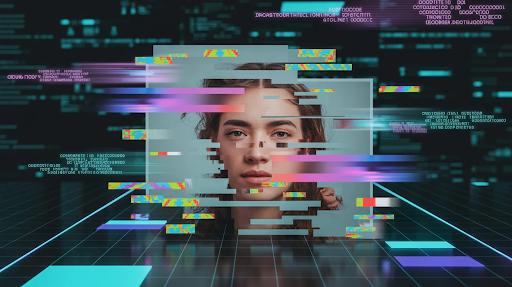
Facial recognition systems rely a lot on the purity of the visual information. Facial recognition may be affected by the reliability of images when they are manipulated. Deception with altered faces, swapped faces, or AI-generated images can be done to systems that are not fitted with powerful detection systems.
To overcome this, contemporary facial recognition system have liveness detection, face texture analysis and behavioral hints to differentiate between real and manipulated faces. The visual security of image manipulation as well as detection technologies is at an arms race that underscores the paramount role of innovation in the image surveillance domain.
Moral and Privacy Issues.
The massive application of digital image manipulation poses significant ethical concerns. The possibility of manipulating images so persuasively goes against conventional perceptions of truth and authenticity. People can be portrayed improperly and their image stolen without their agreement causing a loss of reputation and invasion of privacy.
Organizations which manipulate images through image manipulation technologies need to put in place clear ethical guidelines. One must be frank with the process and usage of images, which ensures trust is upheld. The regulatory systems are also changing to control the abuse and safeguard people against the use of visual data.
Identifying and stopped deceptive Image Manipulation.
With the development of methods of manipulation, the detection has become a priority. The identification of evidence of manipulation is being performed with image forensics, AI-based anomaly detection, and metadata analysis. These tools examine lighting, shadows, textures, and pixel patterns inconsistencies, which can be used to tell whether they have been manipulated.
The prevention measures are aimed at protecting image capture and transmission procedures. Image pipelines which are trusted, encryption and real time verification assists in ensuring that images are not spoiled or altered between the source and application. Detection and prevention are essential components of an action to guard against malicious manipulation.
The Digital Image Manipulation role in Innovation.
Digital image manipulation is not necessarily bad even though it can be risky. It causes improvement and innovation in most instances. Manipulated images can be used in the healthcare sector to aid in diagnosis and training simulations. They facilitate in the entertainment industry, immersiveness and visual effects. They augment learning in education by use of visual stories. The secret is in the responsible usage. Digital image manipulation may bring immense value and still build trust when done in an ethical and transparent manner.
The Future of Visual Trust
The idea of visual trust will gain more significance as the digital interaction trends lean towards visual representation. The users, organizations, and systems will require authoritative methods of evaluating the genuineness of pictures. This would involve the partnership between technology providers, regulators and end users.The technologies of manipulation and detection of digital images will develop concurrently in the future. Secure image credentials, watermarking, and AI-based verification should be used to make people gain trust in visual data and enable creativity and innovation.
Conclusion
The manipulation of digital images is redefining the way in which we make, comprehend and believe visual information. It has an effect on the systems of creativity, communication, security, and identity. With the increase in the power of the technology comes the burden of responsibility to utilize it in a proper manner. With a balance between innovation, ethics and security, the use of digital images to manipulate images can still be used to redefine reality without destroying trust in the digital world.