







How Can Retail Business Management Automation Improve Your Store Operations?

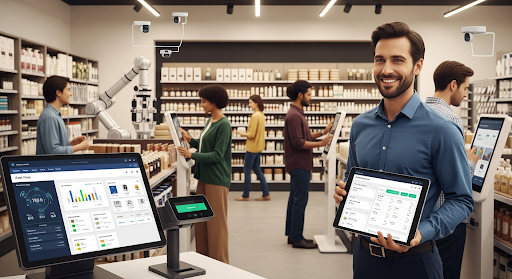
Running a retail business can be overwhelming. From keeping track of inventory and managing staff schedules to handling sales and customer data, there are many tasks that take up time and leave room for mistakes. This is where retail business management automation comes in. By using software and technology to automate core retail processes, store owners can save time, reduce errors, and run their operations more efficiently.
In this guide, we’ll explain what retail automation is, how it works, and how it can transform your retail business for the better.
Introduction: Why Retail Businesses Are Moving Toward Automation
Many retail businesses still rely on manual work like spreadsheets, paper notes, and guesswork. These methods slow things down and often cause errors. Automation helps retailers streamline retail operations by using technology to handle daily tasks.
With rising customer expectations and strong competition, retailers in the United States are turning to automation to stay ahead. By reducing manual retail tasks and using data instead of guesswork, businesses can grow faster and serve customers better.
What Is Retail Business Management Automation?
Retail business management automation means using software and digital tools to automate core retail processes. This includes managing inventory, tracking sales, handling customer data, scheduling staff, and creating reports automatically.
Instead of doing everything by hand, a retail store management system connects different parts of the business into one unified retail data system. This is part of the larger digital transformation in retail that helps businesses operate smoothly and efficiently.
How Retail Business Management Automation Works
Retail automation works by integrating technology into retail operations. Sales systems, inventory tools, and customer management software share data in real time. When a product is sold, stock levels update automatically. When stock runs low, the system can suggest reordering.
This integration reduces manual and repetitive retail tasks. It also supports data-driven retail decisions by giving owners clear insights into sales, customer behavior, and performance.
Key Business Areas Transformed by Retail Management Automation
Retail automation improves many areas of a business. Each area works better when systems are connected and updated in real time.
Inventory and Stock Management Automation
Inventory management automation helps track products accurately. Retailers can see real-time stock tracking data and avoid overstocking or running out of items. Advanced systems also support forecasting inventory demand and RFID retail tracking for better accuracy.
Supply Chain and Vendor Management
Supply chain automation improves retail distribution efficiency. Automated purchase order generation helps businesses reorder products on time. Vendors receive clear and accurate requests, which reduces delays and errors.
Point-of-Sale POS and Billing Automation
POS automation systems speed up checkout and reduce billing mistakes. Automated checkout systems allow faster payments and better customer flow. Sales data is recorded instantly and shared with inventory systems.
Customer Experience and Personalization
Customer engagement automation helps retailers understand buyers better. Systems track customer purchase history and suggest personalized offers. This improves customer experience with automation and builds loyalty.
Employee Scheduling and Workforce Management
Automated employee scheduling saves time and reduces conflicts. Managers can create schedules based on store needs and staff availability. This improves staff satisfaction and store performance.
Finance Accounting and Reporting Automation
Financial reporting automation creates accurate reports without manual effort. Sales, expenses, and profits are tracked automatically. This helps owners understand business health quickly.
Sales Marketing and Promotions Automation
Marketing automation tools support promotions and campaigns. Retailers can use personalized marketing based on analytics to reach the right customers at the right time.
Real-World Examples of Retail Business Automation
Many retailers already use automation in daily operations. Automated POS systems are common in grocery and clothing stores. Smart inventory replenishment systems reorder products when stock runs low.
Warehouse automation solutions help large retailers manage fulfillment. Customer service automation, like chatbots, answers common questions quickly. Data analytics and demand forecasting tools help businesses plan for busy seasons.
Benefits of Automating Retail Business Management
The benefits of retail automation go beyond saving time. Automation supports retail business growth through automation by improving accuracy and efficiency.
Retailers reduce costs by minimizing errors and wasted labor. Real-time data provides clear insights for better decisions. Customer satisfaction improves with faster service and personalized experiences. Over time, automation delivers a strong automation ROI for retail businesses.
Common Challenges in Retail Automation and How to Overcome Them
Some retailers worry about the cost of automation. Overcoming high initial investment in automation is possible by starting small with cloud-based tools. Training staff is another challenge. Simple systems and proper training help teams adapt quickly.
Overcoming challenges of retail tech adoption also requires planning. Choosing user-friendly tools and setting clear goals makes the process smoother.
Step-by-Step Guide to Implement Retail Business Management Automation
Start by identifying manual and time-consuming processes in your store. Set clear business automation goals, such as better inventory control or faster checkout.
Next, choose retail automation solutions that match your needs. Plan your budget, integration, and timeline carefully. Train staff and test systems before full launch. Finally, monitor performance and optimize continuously using data insights.
Future Trends in Retail Business Management Automation
AI-driven retail automation is shaping the future. AI-enabled retail automation helps predict demand and personalize shopping experiences. Predictive analytics supports smarter planning.
Omnichannel automation connects online and offline stores. Cloud-based retail management systems make automation affordable for small businesses. Leveraging data for retail growth will remain a key trend.
Choosing the Right Retail Automation Solution
When selecting a solution, look for systems that are easy to use and scalable. A good retail store management system should support inventory, sales, and customer data in one place. Focus on tools that support data-driven retail decisions and fit your budget.
Trusted industry leaders like IBM discuss how automation and AI are shaping retail operations. You can explore their insights here. McKinsey also provides research on retail operations and digital transformation https://www.mckinsey.com/industries/retail.
Final Thoughts: Is Retail Business Management Automation Worth It?
Retail business management automation is no longer optional. It helps businesses save time, reduce errors, and grow sustainably. Even small retailers can start with simple tools and expand over time. With the right approach, automation becomes a powerful partner in daily retail operations.
FAQs About Retail Business Management Automation
What is retail business management automation?
Retail business management automation is the use of software and technology to manage daily retail tasks automatically. It covers inventory, sales, staff scheduling, and reporting. Automation reduces manual work and improves accuracy.
How can a retail business be automated?
A retail business can be automated by using POS systems, inventory automation technology, and CRM for retail automation. These tools work together to track sales, stock, and customer data in real time.
What are common examples of retail automation?
Common examples include automated checkout systems, inventory tracking software, warehouse automation solutions, and customer service automation tools like chatbots.
What are the main benefits of retail automation?
Retail automation lowers costs, saves time, and improves customer experience. It also provides data-driven retail insights that help businesses make smarter decisions.
Is retail automation suitable for small businesses?
Yes, many cloud-based automation tools are affordable and easy to use. Small retailers can start with basic systems and grow as their business expands.