









How Often Should You Wash Cotton Fitted Sheets?

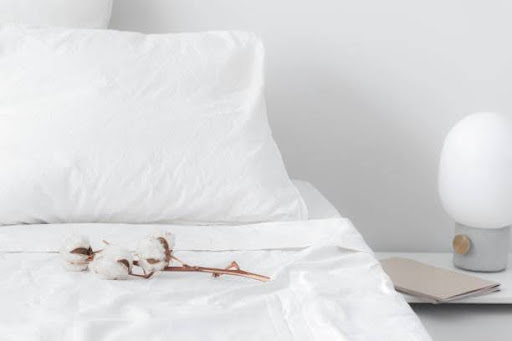
The question of how frequently we should wash our bed linens has long been debated. Some suggest once for a whole week, while others wait up to a month—or even longer! We at the GHI can attest to the fact that there exists a conclusive response to the query, and it is crucial to follow it if you wish to prevent germs and dust mites.
We go over everything customers need to know, particularly the dos and don’ts, because there are proper and improper ways to wash your bedding. You’ll find everything you need here, from the best ways to wash pillows and duvets to how frequently to hoover your mattress, so you won’t ever have to deal with a foul-smelling bed. With Extra Deep Cotton Fitted Sheets, which are designed to fit properly on thick mattress layers and provide a soft, breathable, and opulent sleep each morning, you may enjoy the utmost in comfort.
Advantages Of Cleaning New Clothes
Although washing fresh sheets before placing them on the sleeping surface may seem needless, there are a few useful advantages. New sheets are frequently coated with a form of starch that prevents creases while in the packaging, although they may appear clean. If the sheets are not cleaned before use, this may cause itching.
Before being offered, new sheets can also consist of residues from the production and packing procedures, which include as contaminants, dirt, dust, and other allergies. This step is in particularly important for people with touchy skin due to the fact that any individual of these elements might set off allergic reactions or an unanticipated pores and skin response. Any terrible sewing or manufacturing flaws may also be found in the course of the primary washing.
Avoid Overloading The Device
It may be tempting to truly toss each mattress cover, equipped sheet, and pillowcase through the washing machine and dryer right away, however, doing so may be overpowered and result in a poor clean. The equipped whereas flat sheets have to be washed along with your bedding covers, and further heavier comforters, quilts, or throw blankets have to be washed one by one.
Don’t include any clothing or towels alongside the bedding at all, since they may have buttons and zippers that might harm delicate sheets or leak color.
Arrange The Bed Linens
Sort your sheets by fabric first, then by color if they are composed of several materials (such as bamboo, bamboo, cotton, silk, or polyester). By doing this, pilling, rips, and discoloration are avoided. Experts also advise that one “avoid drying and laundering sheets with additional clothing or heavy objects like comforters to prevent entrapment.” For optimal results, just wash your tailored sheet, top sheet, and pillowcases.
Avoid Forgetting The Pillows And Duvet
Laundering pillows and duvets at least multiple times a year is advised by experts.
Check the drum capacity of your washing machine before trying to wash your duvet yourself to determine if it is machine washable. It should have space within the machine to move about. You should take your duvet to a launderette if there isn’t one, if it’s larger than king size, or if it’s 13.5 tog or more.
Steer clear of using dry cleaners on your bedding. It might be challenging to completely eliminate the toxins, and you should avoid inhaling them at night. It is preferable to hire a professional to clean your bedding. This particular company employs a silicon-based, eco-friendly dry cleaning solution.
Sort By Color
To maintain the colours and stop dye from transferring, separate your sheets according to color. This implies that before laundering, you should combine light-colored and dark-colored sheets.
Look For Stains On The Bed Linens
Take a few moments to test your linens or pillows for difficult spots, due to the fact that stains appearance nicer whilst wiped clean before washing. If you notice a darkish mark or make-up stain, you may use a mild dish soap and water answer or a mixture of baking soda and water to get rid of it and permit it sit for a couple of minutes.
Measure Out The Detergent
When it involves detergent, less is usually more. An excessive quantity of detergent may cause the laundry machine to use extra water or build up within the pipes. The majority of detergents can be used for the laundering of linen and cotton sheets; however, when washing silk and satin sheets, use a detergent designed for sensitive materials. Detergents that might be suitable for satin or silk are widely to be had.
How Frequently Should Your Sheets Be Washed?
Generally speaking, you need to wash your bedding once every week. Unclean sheets and bedding can broaden a smell and provide a breeding floor for germs and allergens, which can motive skin outbreaks, asthma attacks, and other issues.
Each individual’s frequency of washing can also vary based on their lifestyle and fitness requirements. If you devour meals and beverages in bed, have sensitivities or sensitivities, or perspire lots, you may need to wash your bedding greater often. When you are sick, you might additionally require that you wash extra often.
Washing your linens every few days is advised if your pet shares your bed in order to keep dust, hair, and dander from contaminating your sleeping space.
Final Words
Daily usage sheets usually require replacement after two years or so. Nevertheless, a sheet set’s lifespan varies according to the material’s quality as well as how it is used and maintained. For instance, if you share your bedroom with dogs, most linens won’t last as long. When treated properly, high-quality sheets can last more than two years.