Hair Cutting: A Complete Guide to Haircuts, Styles, and Hair Care
 AD Kamyana · Nov 28, 2026 · 6 min read
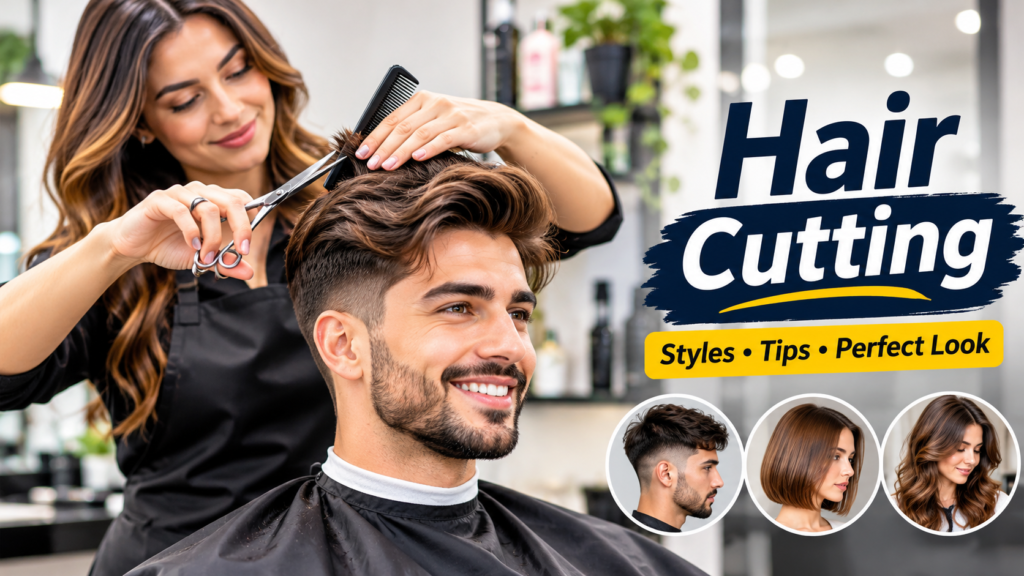
Hair cutting is an important part of personal grooming and style. A good haircut can improve your appearance, make your hair easier to manage, and help you feel more confident. Whether you want a simple trim, a modern hairstyle, or a completely new look, choosing the right hair cutting style can make a big difference.
Today, people have many haircut options for different hair types, face shapes, lifestyles, and personal preferences. From short haircuts to long layers, professional hair cutting techniques help create styles that look natural and attractive.
In this guide, you will learn about popular hair cutting styles, useful haircut tips, and how to choose the right haircut for your needs.
What Is Hair Cutting?
Hair cutting is the process of trimming, shaping, and styling hair to create a desired appearance. Professional hairstylists use different tools and techniques, such as scissors, clippers, razors, and combs, to achieve the right shape and length.
A good hair cut is not only about removing hair length. It also involves understanding hair texture, face shape, hair growth patterns, and personal style.
Professional hair cutting can help:
- Improve the overall appearance of your hairstyle.
- Remove damaged or split ends.
- Make hair easier to manage.
- Create a style that matches your face shape.
- Give your hair a fresh and clean look.
Popular Hair Cutting Styles
There are many haircut styles available for men, women, and children. The best choice depends on your hair type, personal preference, and daily routine.
1. Layered Haircut
A layered haircut is a popular choice for people who want movement and shape in their hair. Layers are created by cutting hair at different lengths, helping create a more natural and textured appearance.
Layered haircuts work well with straight, wavy, and some curly hair types. They can also help long hair look lighter and easier to style.
2. Bob Haircut
The bob haircut is a timeless hairstyle that usually features hair cut around the chin, jawline, or shoulders. It is available in different variations, including classic bob, long bob, textured bob, and angled bob.
This haircut is popular because it offers a clean, stylish, and modern appearance.
3. Fade Haircut
A fade haircut is one of the most popular men’s haircut styles. It features gradually shorter hair on the sides and back, blending smoothly into longer hair on top.
Common fade styles include:
- Low fade
- Mid fade
- High fade
- Skin fade
Fade haircuts can be combined with textured tops, side parts, pompadours, and other hairstyles.
4. Pixie Haircut
A pixie haircut is a short hairstyle that usually features shorter sides and back with slightly longer hair on top. It is a stylish option for people who prefer short hair and want a simple daily styling routine.
Pixie haircuts can be customized with bangs, texture, or extra length around the sides.
5. Trim and Split-End Haircut
A regular trim is a simple way to maintain your hairstyle. It involves removing a small amount of hair to maintain shape and reduce visibly damaged ends.
A trim does not always mean changing your hairstyle. It can help keep your existing haircut neat and manageable.
How to Choose the Right Hair Cutting Style
Choosing the right haircut can be easier when you consider a few important factors.
Consider Your Face Shape
Different haircut styles can complement different face shapes. For example, some people prefer layered styles to add movement, while others choose hairstyles that create balance around the forehead and jawline.
Your hairstylist can recommend a suitable style based on your facial features.
Understand Your Hair Type
Hair texture plays an important role in choosing a haircut.
- Straight hair: Blunt cuts, bobs, and long layers.
- Wavy hair: Textured cuts and soft layers.
- Curly hair: Curly layers and shape-focused cuts.
- Thick hair: Layering to reduce bulk and improve shape.
- Fine hair: Haircuts that create the appearance of fuller hair.
Choose a Style That Fits Your Lifestyle
If you have a busy schedule, choose a haircut that requires less daily styling. Shorter cuts may be convenient for some people, while others prefer longer hairstyles that can be tied back.
Think about how much time you want to spend styling your hair before choosing a new haircut.
Hair Cutting Tips for a Better Result
Getting a good haircut depends on communication and preparation. Here are some helpful tips before visiting a salon.
- Bring pictures of the haircut you want.
- Explain how much length you want to remove.
- Discuss your hair texture and styling habits.
- Ask your hairstylist about maintenance requirements.
- Avoid making major haircut decisions without understanding the final length and shape.
If you are unsure about a new hairstyle, start with a small change. You can always try a different style during your next salon visit.
How Often Should You Get a Haircut?
The ideal haircut schedule depends on your hairstyle, hair growth, and personal preferences.
Short hairstyles and fades may need more frequent maintenance to keep their shape. Longer hairstyles may need less frequent trimming, depending on how you want them to look.
Regular haircuts can help maintain your hairstyle, but there is no single schedule that works for everyone.
Frequently Asked Questions (FAQs)
1. What is the most popular hair cutting style?
Layered haircuts, bobs, fades, textured cuts, and long hairstyles are popular choices. The best style depends on your hair type and personal preference.
2. How can I choose the best haircut for my face?
Consider your face shape, hair texture, lifestyle, and personal style. A professional hairstylist can help you choose a haircut that complements your features.
3. Does hair cutting make hair grow faster?
Hair cutting does not increase the rate of hair growth from the scalp. However, trimming damaged ends can help your hair look healthier and more manageable.
4. How often should I trim my hair?
It depends on your hairstyle and maintenance preferences. Short styles may require frequent trims, while long hair can often go longer between appointments.
5. Is professional hair cutting better than cutting hair at home?
Professional hair cutting can help achieve a more balanced shape, better blending, and a style suited to your hair texture. Home trimming may work for simple maintenance, but complex styles are usually better handled by an experienced hairstylist.
Conclusion
Hair cutting is more than simply trimming hair. It is a way to improve your appearance, maintain your hairstyle, and express your personal style. Whether you prefer a layered haircut, bob, fade, pixie, or simple trim, choosing the right style can help you feel comfortable and confident.
Before getting your next haircut, consider your face shape, hair texture, and daily routine. Communicate clearly with your hairstylist and choose a style that fits your lifestyle.

Writer at OneTalk.