





The Evolution of Folding Boxes in Modern Product Packaging

My grandfather ran a small print shop decade ago, and he used to talk about folding cartons like they were some kind of minor miracle of efficiency. Flat sheets of board, scored and glued into shape, shipped flat until they were needed, then popped open in seconds on an assembly line. To him, that was the whole story. Get a box from a flat sheet to a finished container as fast and cheaply as possible. It’s funny looking back, because the folding box he was describing barely resembles what shows up on shelves and doorsteps today, even though the basic folding mechanism hasn’t really changed at all.
That gap between still technically the same idea and barely recognizable in practice is worth digging into, because it says a lot about where product packaging is actually headed.
Where Folding Boxes Started
Folding cartons emerged as an industrial solution to a pretty basic problem: how do you package huge volumes of product cheaply, without the labor and material cost of rigid construction. Thin paperboard, scored along fold lines, glued at the seams, and shipped flat to save space until assembly. That efficiency is exactly why folding cartons became the default packaging format for everything from cereal to soap to pharmaceuticals for most of the last century.
Early folding boxes weren’t trying to do much beyond containment. Print was simple, often just enough to identify the product and list required information. The box’s job was structural and informational, not particularly persuasive. Branding lived mostly in advertising elsewhere, not on the package itself.
The Shift Toward Packaging as Marketing
That started changing as retail shelves got more crowded and competitive. Once dozens of similar products sat side by side in a store, the box itself had to start doing some selling, not just holding the product. Print quality improved, color became more deliberate, and folding cartons started carrying real brand identity rather than just functional labeling.
This shift mattered because it changed what folding boxes were actually being judged on. A box that once succeeded purely by being cheap and functional now had to also catch someone’s eye in a two-second glance down a shelf. The format didn’t change structurally very much during this period, but the design expectations placed on it grew considerably.
E-Commerce Forced a Different Kind of Evolution
The bigger shift came later, once a meaningful share of purchasing moved online. Folding boxes designed for shelf presence suddenly had to survive a shipping process they were never built around, warehouse handling, delivery trucks, doorstep drop-offs in whatever weather happened to be occurring. A box that looked fine on a retail shelf sometimes arrived crushed or damaged after an online delivery, simply because it had never needed to withstand that kind of handling before.
This pushed folding carton design toward reinforced structures, better internal cushioning, and print that had to look good both under store lighting and in an unboxing photo taken on someone’s kitchen counter. The folding mechanism stayed fundamentally the same, but almost everything built around it got reconsidered.
Where Rigid Construction Entered the Picture
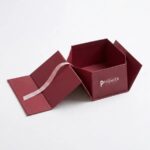
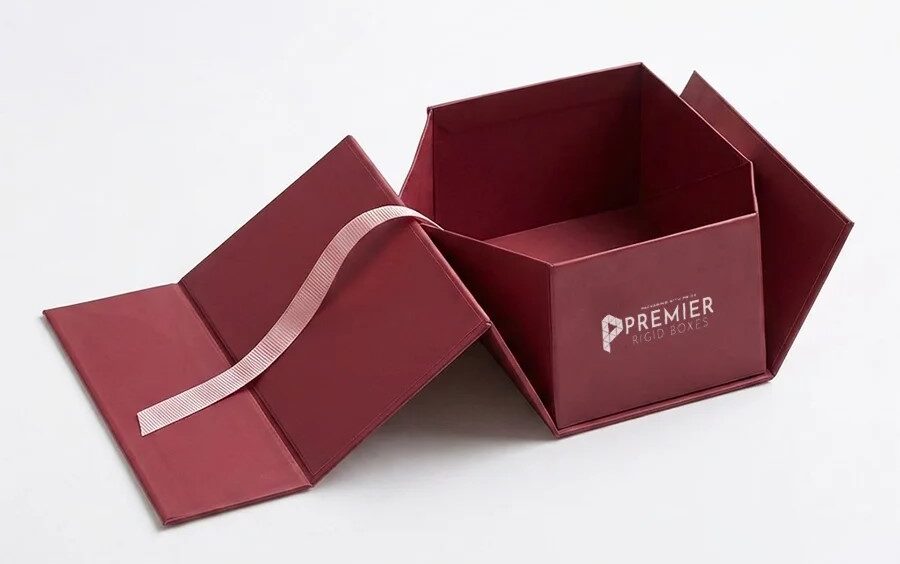
As online retail matured and customers started expecting more from a delivery experience, some brands began moving away from folding formats entirely for their higher-value products, toward rigid construction that holds its shape without folding. Rigid folding boxes represent an interesting middle point in this evolution, combining some of the structural benefits of true rigid packaging with print and assembly processes closer to traditional folding cartons, which keeps costs more manageable than fully rigid alternatives while still offering better durability than standard folding stock.
This hybrid approach reflects a broader pattern across packaging generally. Brands increasingly want something between the cheap, purely functional folding carton their grandparents’ generation relied on and the expensive, fully rigid boxes reserved for luxury categories. The middle ground keeps expanding because more product categories need it.
Sustainability Reshaped the Conversation Again
More recently, folding box design has had to account for sustainability expectations that barely existed a couple decades ago. Recyclable materials, reduced plastic coatings, soy-based inks, right-sized boxes that avoid excess material, all of this now factors into folding carton design in a way that wasn’t a consideration during the format’s early industrial history.
This has pushed folding boxes toward simpler material compositions in some cases, since heavily laminated or plastic-coated board is harder to recycle cleanly. Brands balancing sustainability claims against print quality and durability represents one of the more active tensions in folding box design right now, and it’s not fully resolved.
What This Evolution Says About Where Packaging Is Headed
Looking at the arc from my grandfather’s flat-packed, purely functional cartons to today’s reinforced, brand-forward, sometimes hybrid-rigid folding formats, the pattern is pretty clear. Folding boxes keep absorbing more responsibilities over time, protection, branding, unboxing experience, sustainability signaling, without abandoning the basic fold-and-glue efficiency that made the format useful in the first place.
That’s probably the format’s real strength. It’s flexible enough structurally and economically to keep adapting to whatever a given era of retail actually demands, whether that’s a 1960s grocery shelf or a 2026 e-commerce delivery. The folding mechanism hasn’t changed much. Everything expected of it has.
Final Words
For brands deciding on packaging today, the folding box’s long evolution is a useful reminder that the format isn’t static or one-size-fits-all anymore. A basic folding carton still makes sense for low-cost, high-volume products where efficiency matters most. Reinforced folding structures suit products moving primarily through e-commerce. And rigid folding boxes fit brands wanting more durability and shelf presence without jumping straight to fully rigid construction and its higher cost.
Understanding which point on that spectrum actually matches a specific product, rather than defaulting to whatever’s cheapest or most familiar, tends to be the difference between packaging that quietly does its job and packaging that actively helps a product sell.