



Why Investing in Quality Cosmetic Packaging Pays Off for Beauty Businesses

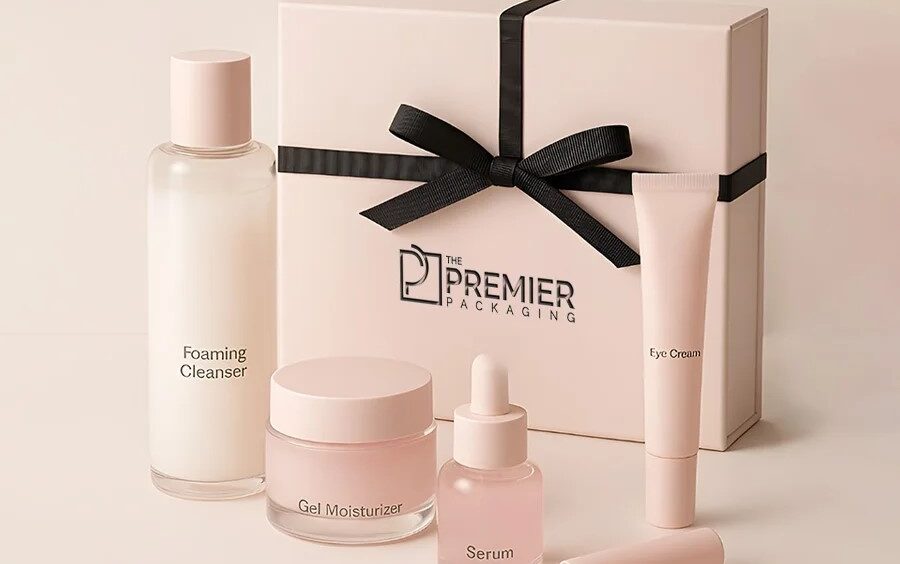
A skincare founder I worked with early in her business kept her packaging budget as thin as possible for the first year, reasoning that the formula was what actually mattered and customers would notice quality through results, not boxes. Her products were genuinely good. Repeat purchase rates from people who’d already tried the product were solid. But new customer acquisition online stayed flat for months, and her conversion rate on product photos was noticeably lower than competitors selling something not obviously better than hers. She eventually upgraded her packaging almost as a last resort, not expecting much, and her online conversion rate jumped within the first month of the new boxes going out. Same formula. Same price. Different box, and suddenly people were willing to actually click buy.
That story comes up constantly in this industry, and it points to something a lot of beauty founders underestimate early on: packaging isn’t a cosmetic afterthought layered on top of a good product. For a category this visual and this competitive, it’s often doing as much selling as the formula itself.
Beauty Is Judged Visually Before Anything Else
Customers can’t test a serum through a screen, and even in person, a lot of purchases happen without ever opening the product first. That means packaging carries an outsized share of the persuasion work compared to categories where a customer can pick something up, feel its weight, or test it before buying. A box that looks cheap creates doubt about the product inside, regardless of how good that product actually is.
This asymmetry matters a lot for smaller or newer beauty brands specifically, since they’re already fighting harder for trust than established competitors with existing reputations. Packaging is one of the fastest ways to close that trust gap before a customer has any other basis for judging quality.
Quality Packaging Reduces Costs That Don’t Show Up on a Packaging Invoice
There’s a less obvious financial case here that’s easy to miss when packaging spend gets evaluated purely as a line-item cost. Thin, poorly structured boxes lead to more damaged shipments, more returns, and more customer service time spent handling both. None of that shows up as a packaging expense directly, but it eats into margins just as much as the box itself costs, sometimes more.
Sturdier construction, proper cushioning, and a snug fit around the actual product reduce these hidden costs meaningfully. For beauty brands shipping glass bottles or delicate applicators, this isn’t a minor consideration, it’s often the difference between a manageable return rate and one that quietly erodes profitability every month.
Wholesale Ordering Makes Quality More Affordable Than It Looks
One reason beauty founders underinvest in packaging early on is a reasonable assumption that better packaging simply costs too much for a small or growing brand to justify. That assumption often doesn’t hold up once ordering shifts to volume pricing. Custom cosmetic box wholesale pricing brings per-unit cost down significantly compared to small custom runs, which changes the math considerably for brands planning to scale rather than staying at a tiny production volume indefinitely.
This is worth factoring into packaging decisions early, since brands that wait to “graduate” into better packaging sometimes miss the window where wholesale ordering would have made that upgrade affordable well before they expected it to be.
Consistent Packaging Builds Recognition Faster Than Almost Anything Else
Beauty brands typically release multiple products under one identity, and packaging consistency across that line does real work building recognition over time. A customer who buys one product and later recognizes the same visual language on a second item trusts that purchase more automatically, often before reading a single ingredient.
This compounds in a way that’s hard to replicate through other marketing spend. Every package that shows up at someone’s door reinforces brand identity, not just a single campaign or ad that eventually stops running. For a beauty brand trying to build a recognizable identity without an enormous marketing budget, packaging consistency is one of the more efficient ways to get there.
The Unboxing Moment Still Drives Organic Reach
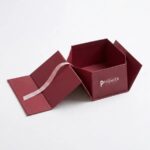
Beauty products get unboxed on camera more than almost any other product category, and that unpaid, organic content reaches an audience a brand didn’t have to pay for. A genuinely well-designed unboxing experience, a sleeve that slides off cleanly, a lid with real resistance, a considered interior, tends to get filmed and shared far more than plain, purely functional packaging ever does.
This matters especially for smaller brands without big advertising budgets, since a single customer’s unboxing video or product photo can do more for visibility than a paid ad campaign costing many times more.
Final Words
The founder from earlier waited a full year before upgrading, mostly out of caution about spending on something that felt secondary to the product itself. In hindsight, she considered that delay one of her costlier early decisions, not because the original packaging was bad exactly, but because it quietly capped how many new customers were willing to take a chance on the brand in the first place.
That’s the core case for investing in quality packaging early rather than treating it as a reward for reaching some future revenue milestone. Custom cosmetic box wholesale pricing makes that investment considerably more accessible than founders often assume, and for a category where visual trust does so much of the selling, packaging quality tends to pay for itself well before a beauty business feels fully ready to spend on it.