









Fire Risk Assessment A Complete Guide to Safety and Prevention

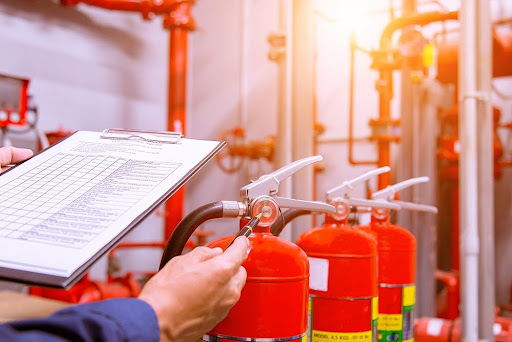
Fire risks may arise silently yet their effects may be disastrous. Properly conducted Fire Risk Assessment will assist in revealing the possible risks in their initial stages before they can deteriorate into a major problem. It is a necessary procedure in order to guarantee safety at-home, at workplace and in the populace.
In the modern world where everything is dynamic, people in business and those who own property have to be proactive in reducing the risk of fire. A decent Fire Risk Assessment does not only save lives but it preserves the precious assets and is in tandem with the regulations of the law.
This manual covers all the details of Fire Risk Assessment, including its necessity and practical measures to be undertaken. This process can be the key to success whether it comes to the management of a commercial building or a residential one.
What Fire Risk Assessment is and Why It Matter.
Fire risk assessment refers to a systematic process of identifying the fire hazards, risk evaluation and putting in place measures to reduce or eliminate the risks. It is concerned with fire-related incidents of property, people, and environment protection.
The significance of Fire Risk Assessment can hardly be overestimated. Fires are able to propagate very fast leading to injuries, death, and loss of money. This process makes the environment safer by determining the possible sources of ignition, combustible substances, and people at risk.
Furthermore, an effective Fire Risk Assessment will make sure that emergency procedures are available. This consists of fire alarms, evacuation strategies and exits. It also fosters confidence in the employees, customers as well as the residents since it will show a concern about safety.
Legal Requirements of Fire Risk Assessment.
Fire Risk Assessment in most countries is not a choice, rather a legal obligation. Owners of properties, employers as well as the responsible persons must ensure that the fire risks are adequately evaluated and controlled.
The laws usually involve periodic checkups, documentation and updating of regulations whenever a change is experienced in the building or operations. Fire Risk Assessment should be documented, particularly in business establishment or premises occupied by more than one person.
Lack of adhering to fire safety laws may lead to imposition of hefty fines, prosecution, or even shutting down of the premises. More so, failure to conduct a proper Fire Risk Assessment endangers lives. Remaining obedient is the way to legal security and a relaxed mind.
The Steps Co-ordinated in Fire Risk Assessment.
Fire Risk Assessment is done in a systematic manner to guarantee the omission of no details. The initial action involved is the identification of fire hazards such as electrical equipment, flammable substances and heating.
Then, the assessor will decide who might be at risk, e.g. workers, visitors, or people with limited mobility. This is a very essential step in the design of effective safety measures.
Risk evaluation and control are the third steps in Fire Risk Assessment. This can involve installation of fire alarm, better ventilation or elimination of hazards. Lastly, the results should be documented, and the evaluation should be checked on a regular basis to promote the safety.
Popular Fire Hazards to be Aware of.
Being familiar with typical fire risks is an imperative aspect of Fire Risk Assessment. Among the most common causes of building fires are electrical defects, overloaded electrical circuits and faulty wiring.
Paper, chemicals, and fabric are some of the flammable materials that can be easily damaged by improper storage. Kitchens, heating systems and smoking areas are also posing serious threats unless handled with care.
Fire Risk Assessment is a detailed procedure that assists in the identification of these hazards at the earliest stage and prevents them. Frequency of maintenance, storage, and awareness of the staff members can go a long way in minimising the risk of fire occurrence. It is always better be proactive than to deal with the consequences of a fire.
Fire safety precautions and safety measures.
Fighting fires should be done through prevention, planning and equipment. Fire Risk Assessment gives the basis of establishing proper safety measures.
It is necessary to install smoke detectors, fire extinguishers and sprinkler systems. These systems are regularly tested and maintained to ensure that they work excellently during emergencies.
It is also important to train employees and occupants on the fire safety procedures. Drills on evacuation and proper signs that show where to exit in the case of fire should be included in a comprehensive Fire Risk Assessment. Things that may seem a mere habit like turning off unnecessary electric appliances and maintaining access to the exits are known to go a long way in the prevention of fires.
Significance of Fire Risk Assessment Review.
Fire Risk Assessment is not a singular exercise. It has to be revised as frequently as possible. Alteration of building structure, equipment or occupancy may bring about new fire hazards.
Periodic audits maintain the safety practices current and in proper operation. It is also useful in determining the gaps in the current fire safety plan. An active attitude to the revision of Fire Risk Assessment guarantees the constant protection.
Responsible and committed businesses involved in frequent reviews are responsible and committed to safety. This does not only minimize risks but also improves their reputation to clients and stakeholders.
The advantages of undertaking a Fire Risk Assessment.
Carrying out a Fire Risk Assessment has many non-compliance advantages. It lessens the risk of fire-related accidents to a large extent, saving lives and the chance of property damage to a minimum.
The other important advantage is cost-saving. Fire prevention will save millions of money in damages, fines and loss of business. A clearly documented Fire Risk Assessment is also useful in obtaining insurance and can also reduce premiums.
Moreover, it establishes a cleaner and a more effective workspace. When employees realize that measures are in place to ensure good safety, they are sure of being safe. In conclusion, a Fire Risk Assessment will be a long-term safety and sustainability investment.
Conclusion
The issue of fire safety cannot be underestimated. Fire Risk Assessment is crucial in the process of risk identification, mitigating risks, and creating a safe environment for all people.
Property owners and businesses can avoid possible disasters by establishing the mechanisms of the process and taking proper pre-disaster measures. The safety plan is also relevant and effective as it is regularly reviewed and updated.
Taking the time and effort to undertake adequate Fire Risk Assessment can be considered a wise move that saves lives, property and reputation. Not only is it a legal requirement, but also a duty towards all individuals who make use of the space.
Frequently Asked Questions
What is Fire Risk Assessment?
Fire Risk Assessment process involves the identification of fire hazards, assessment of risks and execution of safety measures that would avert fire and safeguard people.
Who is to carry out Fire Risk Assessment?
The assessment is usually performed by the property owner, employer or any other person assigned the responsibility.
What is the frequency of reviewing the Fire Risk Assessment?
It is to be checked regularly, in particular, following any significant alteration in the building, layout, or operations.
What are the key procedures in Fire Risk Assessment?
These major steps are to identify hazards, assess risks, put controls in place, document findings and review the assessment.
What is the significance of Fire Risk Assessment?
It assists in fire prevention, saves lives, legal enforcement and minimizing financial losses due to fire accidents.